Riyadh Daily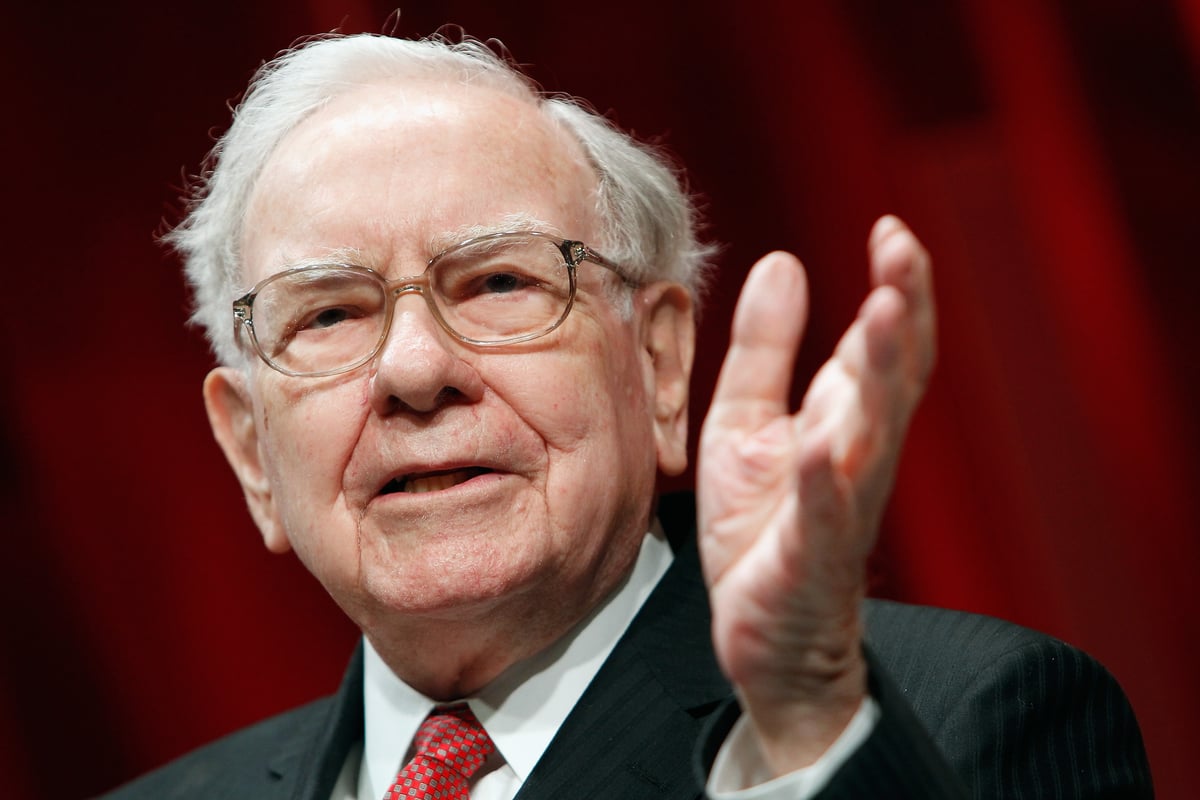
The stock market has been on a historic tear since 2023. Anyone who sat through 2022's bruising bear market and then stayed put has been rewarded handsomely. The S&P 500 ( ^GSPC +0.51% ) delivered total returns of about 24% in 2023, 23% in 2024, and 16% in 2025, and it is up another 12% or so in 2026 as of Sept. 25.
The Nasdaq Composite ( ^IXIC +0.48% ) ran even hotter, with gains near 43%, 29%, and 20% across those three full years alongside a 16% pop so far this year. This kind of rally does not happen often. The question smart investors should be weighing is if a bear market is coming, what can you actually do to stay ahead?
Luckily, Warren Buffett offered some sage advice to help navigate these exact scenarios. Image source: Getty Images. A multiyear rally built on artificial intelligence (AI) The catalyst behind the market's generational run is no mystery.
In late 2022, OpenAI commercially released ChatGPT . Investors quickly decided that artificial intelligence (AI) would reshape every major industry as unprecedented spending on chips, data centers, and software became the norm. The economy was humming along as corporate profits held up.
That combination turned a nice bounce into a multiyear grind to record highs. Nothing this good lasts at this pace in perpetuity. The Shiller CAPE ratio is hovering near 40, a level that's only been witnessed at the peak of the dot-com bubble era.
While stretched valuations do not guarantee a crash is around the corner, they do have a track record of occurring before lower returns or meaningful reversals that can last for years . S&P 500 Shiller CAPE Ratio data by YCharts How often do bear markets occur? Bear markets -- drops of 20% or more from a recent high -- are not that rare.
Since 1928 they have shown up roughly every three and a half years on average. Since World War II, however, bear markets have been more infrequent, showing up about every five years. Bear markets are usually short-lived, lasting about nine months and dragging the S&P 500 down roughly 35% before they bottom.
By the calendar alone, another bear market emerging soon is not a far-fetched idea. The preliminary setup is familiar: stubborn inflation , sluggish economic growth, mixed with an elevated unemployment rate. These indicators suggest the economic picture is mixed, not apocalyptic.
Real gross domestic product ( GDP) is still expanding about 1.5%a year, not contracting. The jobless rate is sitting near 4.1%, which is actually historically healthy. But even though inflation has cooled from its spike in 2022, it remains sticky -- well above the Fed's 2% target .
Although this is not a recession recipe, it is also not a clean bill of health. A long, expensive rally, plus stubbornly rising prices, and a resilient labor market sends mixed signals that make some investors wonder how close we are to the next stock market slump. What would Buffett do?
Buffett's guidance was never to sell everything and run for the hills. In fact, the Oracle of Omaha championed the opposite idea. During a bear market, Buffett would keep investing and hold onto cash so he could pounce on attractive opportunities once they fell into value territory.
This blueprint underscores one of Buffett's most famous lines: Be fearful when others are greedy, and greedy when others are fearful. Berkshire Hathaway ( BRKA -0.09% ) ( BRKB +0.06% ) has practiced this strategy for years. Although the market ripped higher after 2022, Berkshire was actually a net seller of stocks for 14 straight quarters .
BRK.B Cash and Short Term Investments (Quarterly) data by YCharts This brought the investment conglomerate's cash and Treasury pile from roughly $128 billion to a record high near $397 billion by early 2026. At its peak, this was enough dry powder to buy almost any company in the S&P 500 . It wasn't until late last year and throughout 2026, after Buffett handed the top job to Greg Abel, that the company started to cautiously put meaningful money to work through select large purchases.
The point is that Buffett waited for a layup instead of chasing momentum. This is why staying invested always beats trying to time the market . In reality, the market's best days often cluster next to its worst.
This volatility makes it almost impossible for anyone to consistently call both the top and the reentry point. The practical version of Buffett's advice is simple: keep buying quality businesses with durable competitive advantages on a fixed schedule, even if the market takes a nosedive. In addition, keeping some cash available will come in handy so that whenever the next bear market does arrive, you can be the one taking advantage of depressed valuations while everyone else panic sells.
Source: The Motley Fool